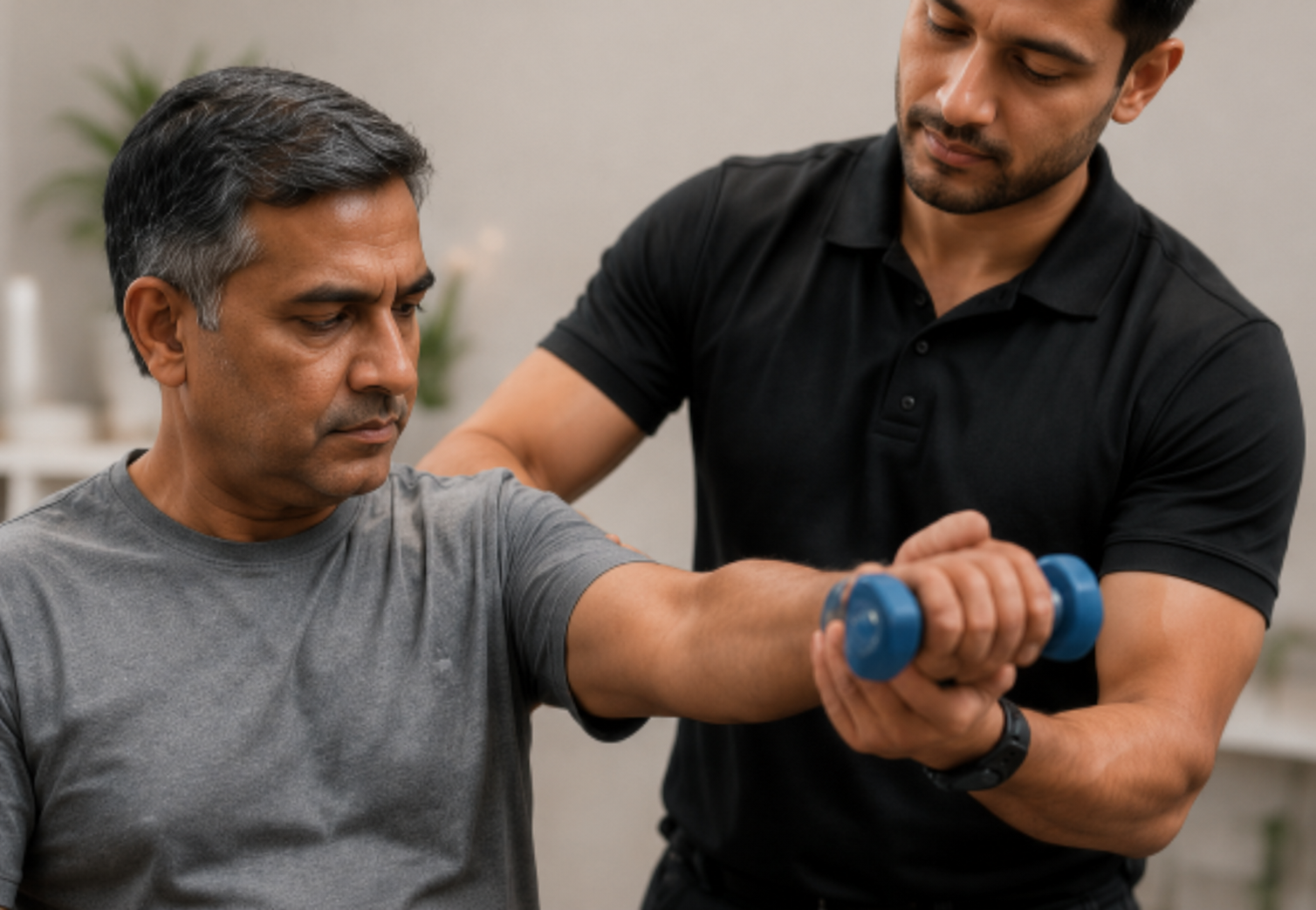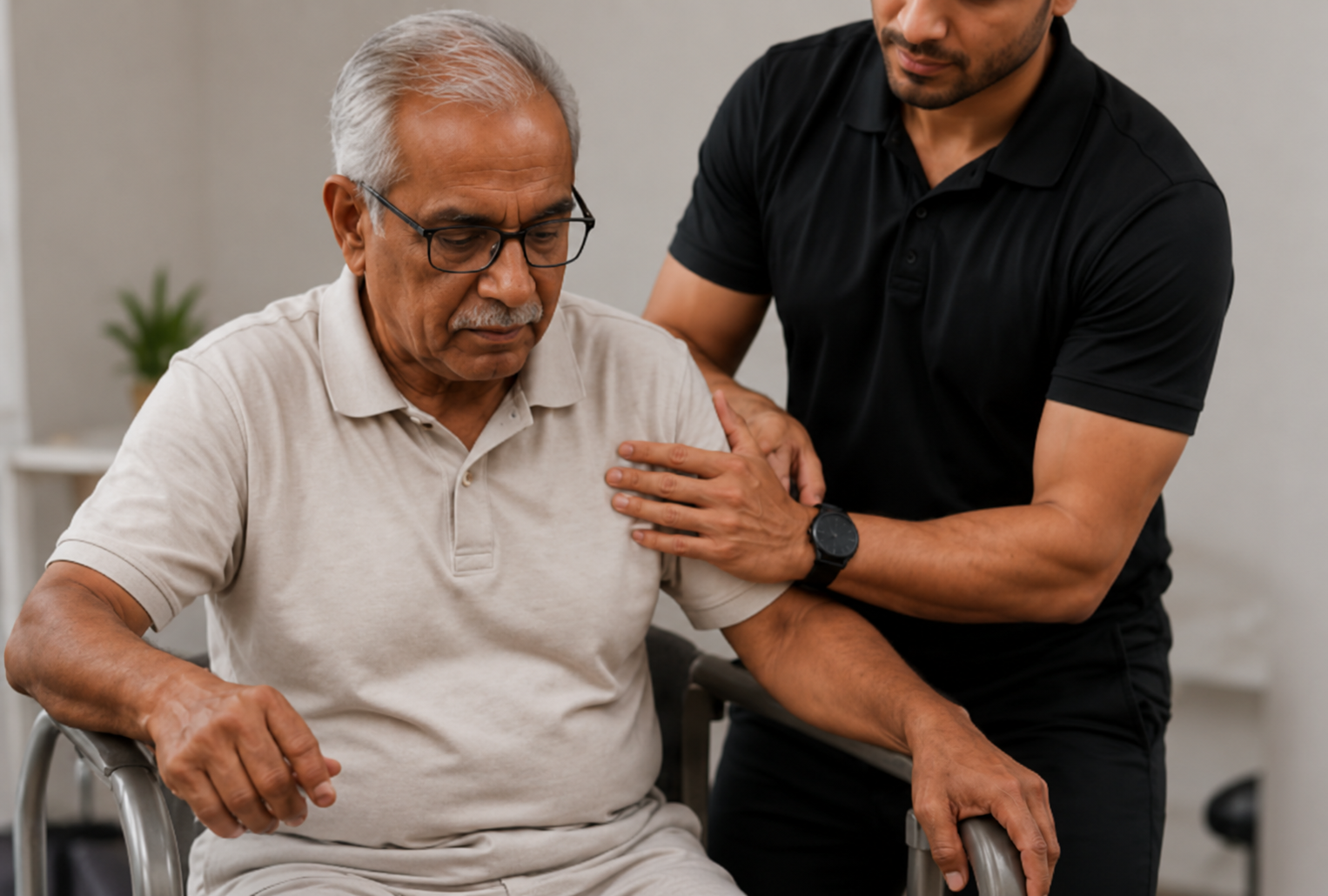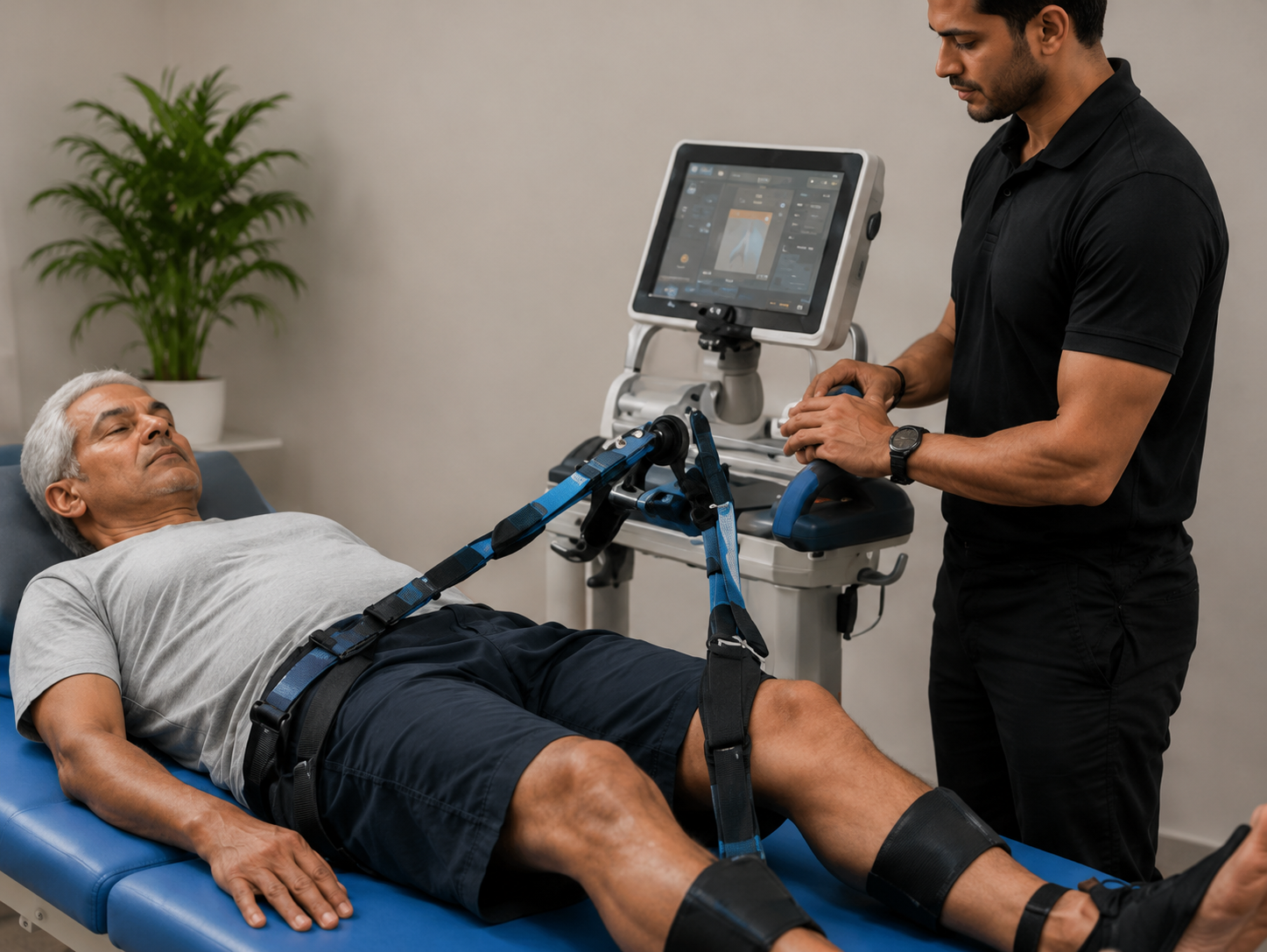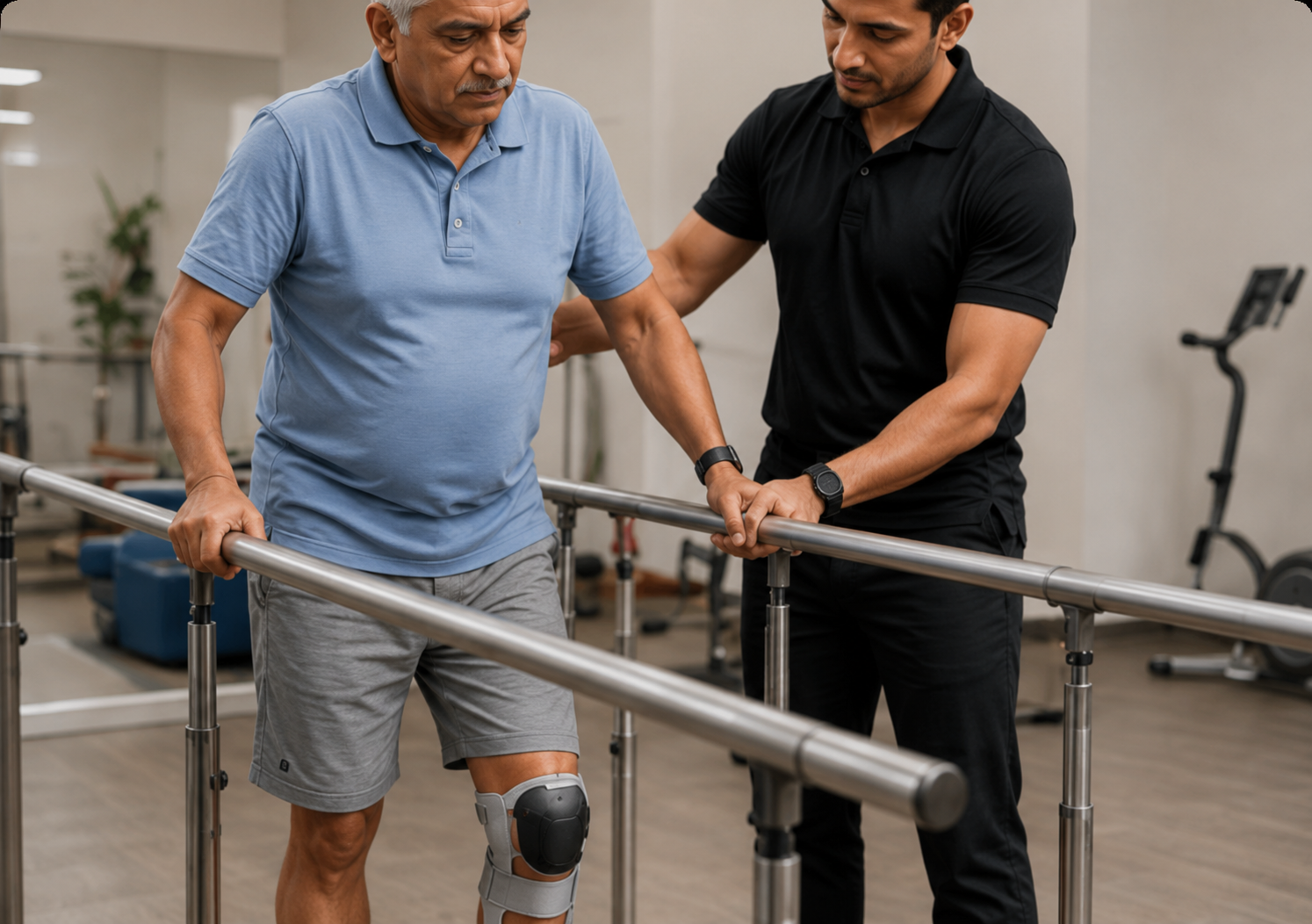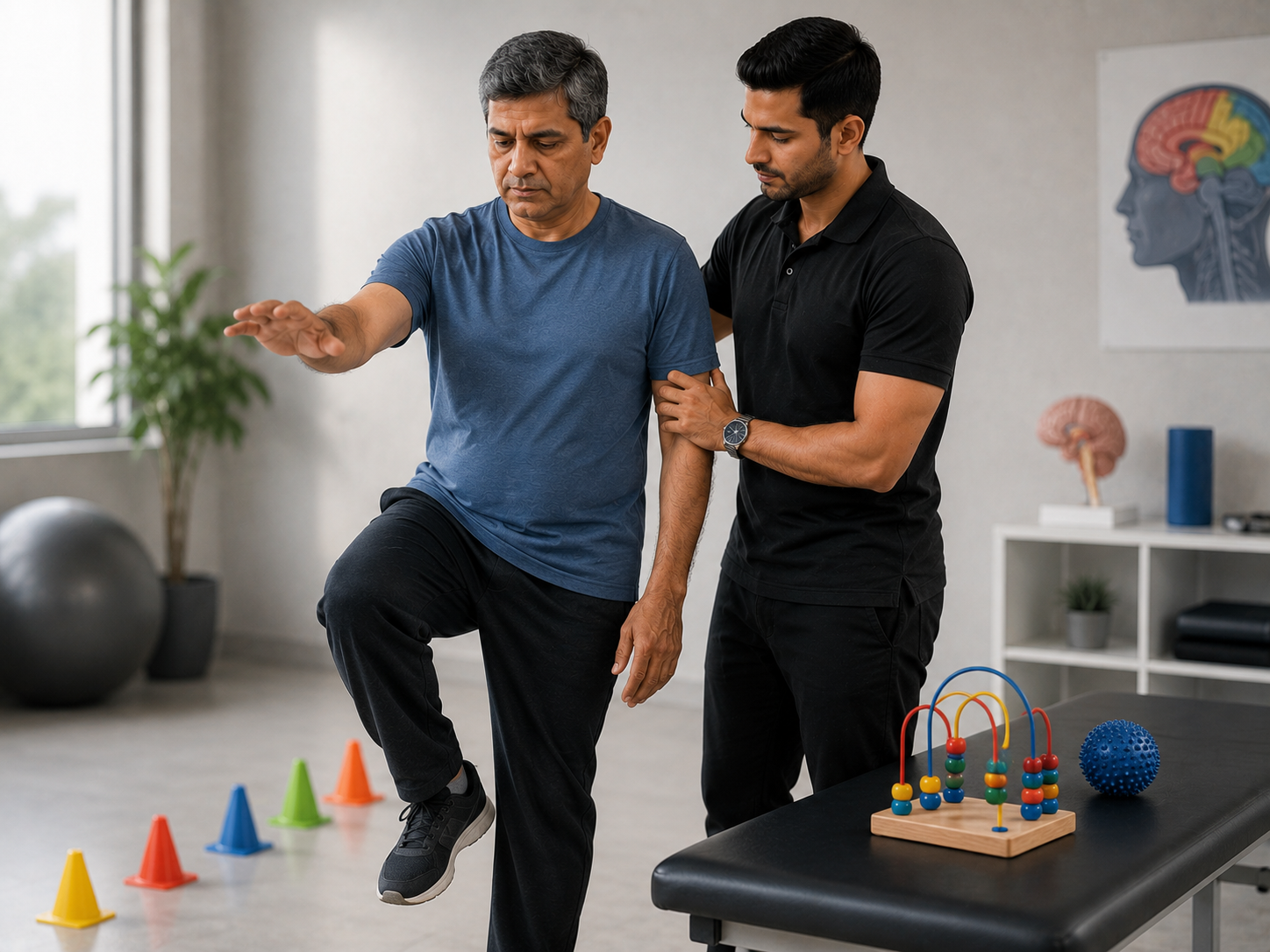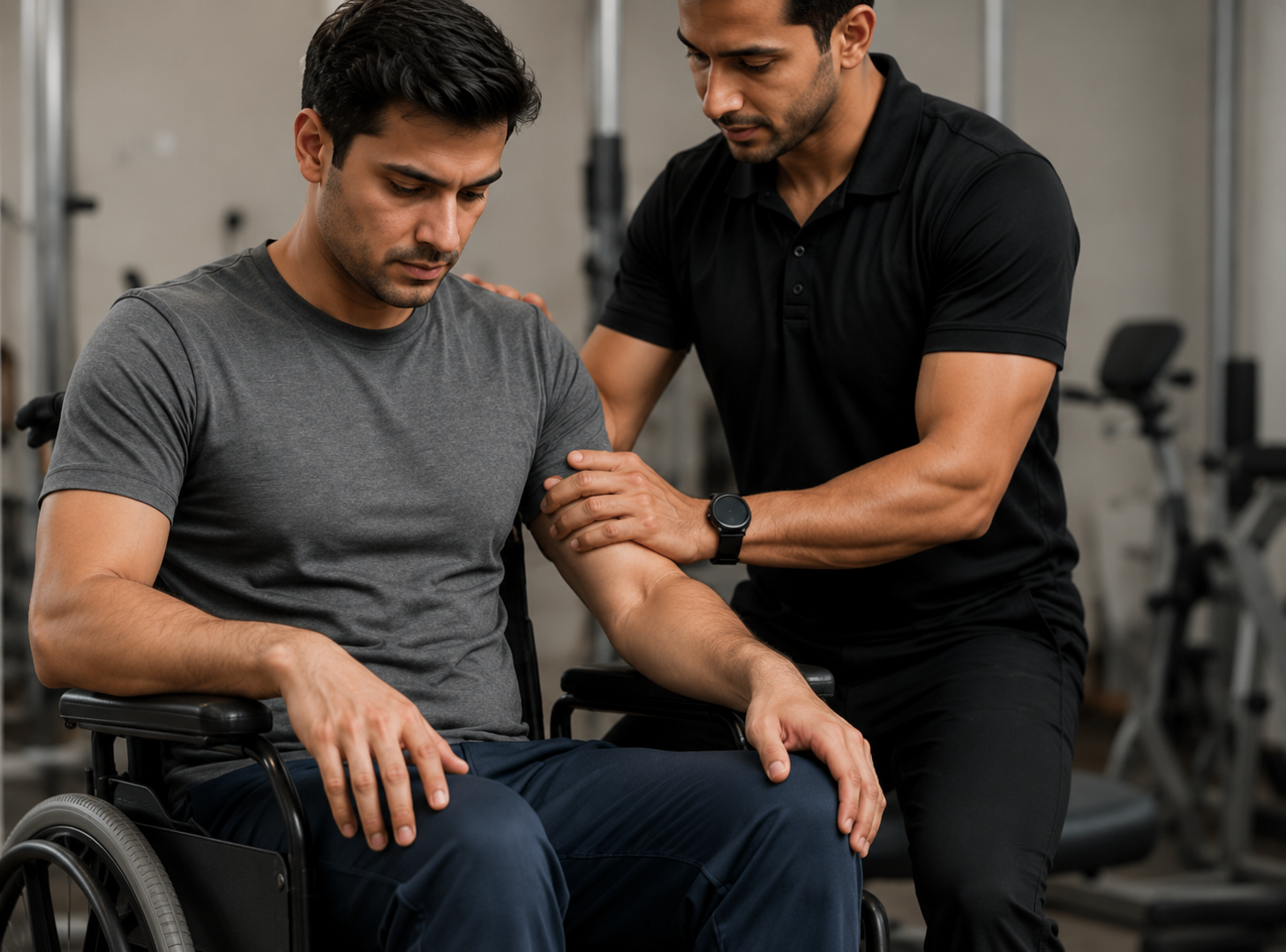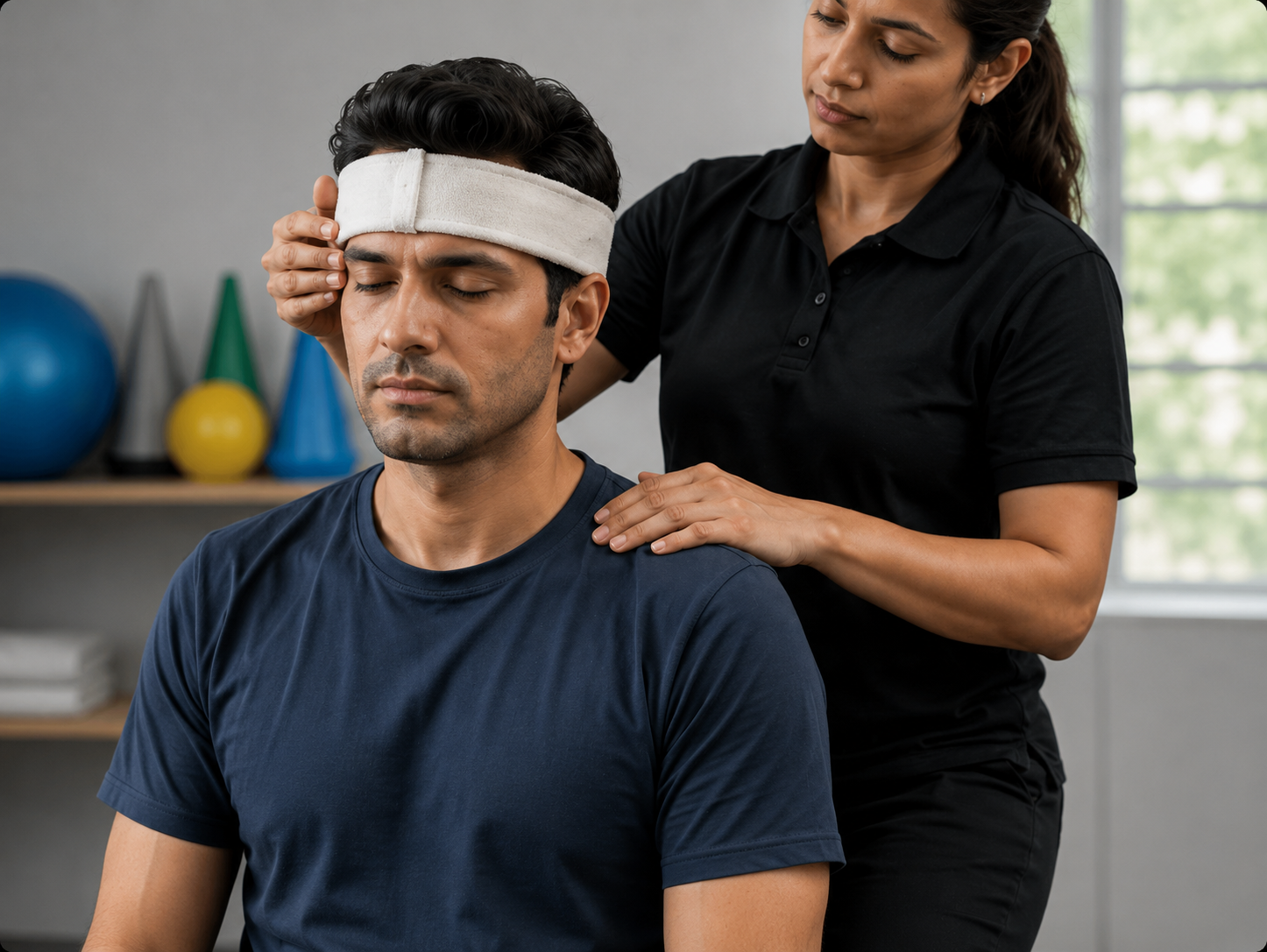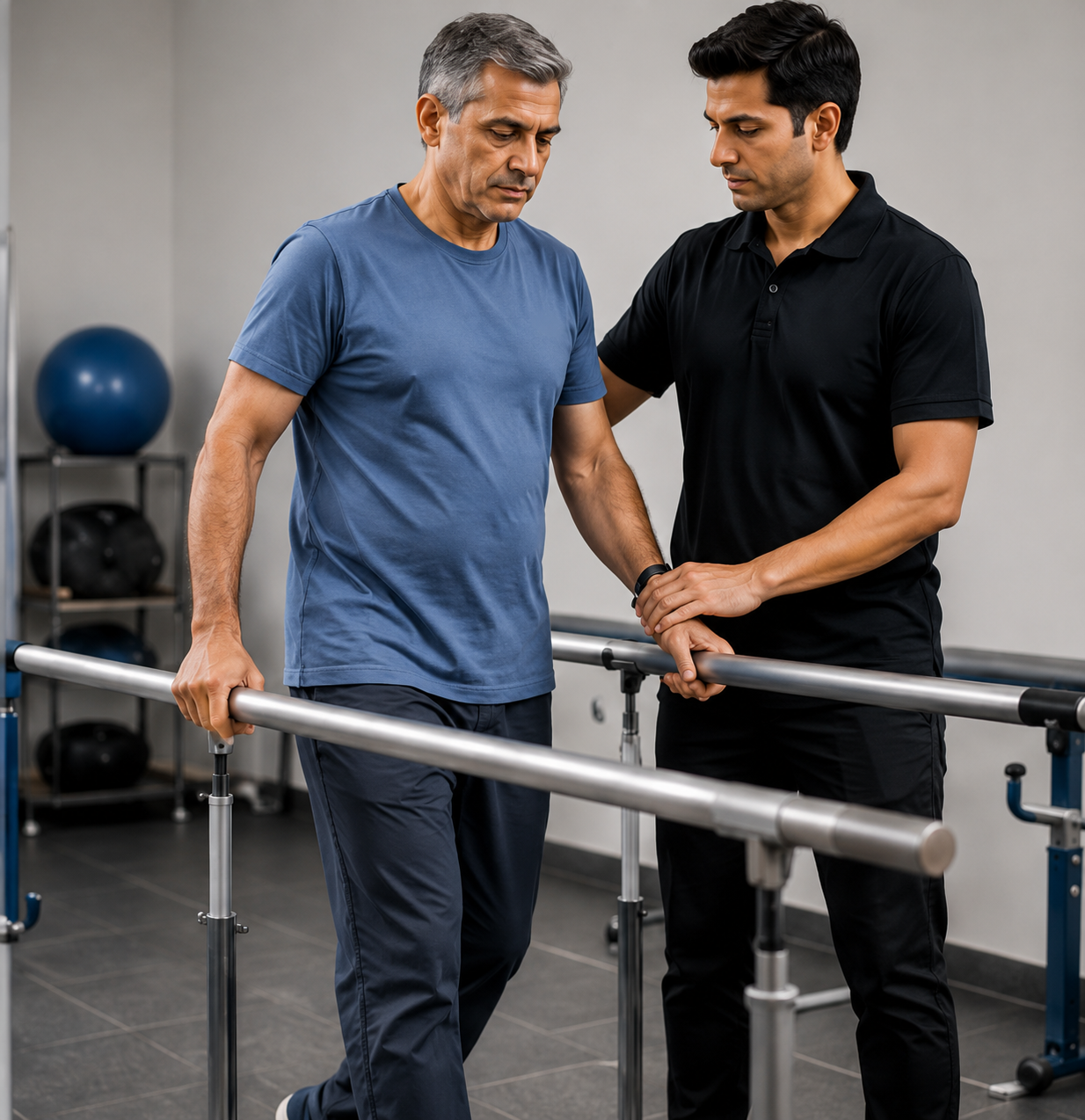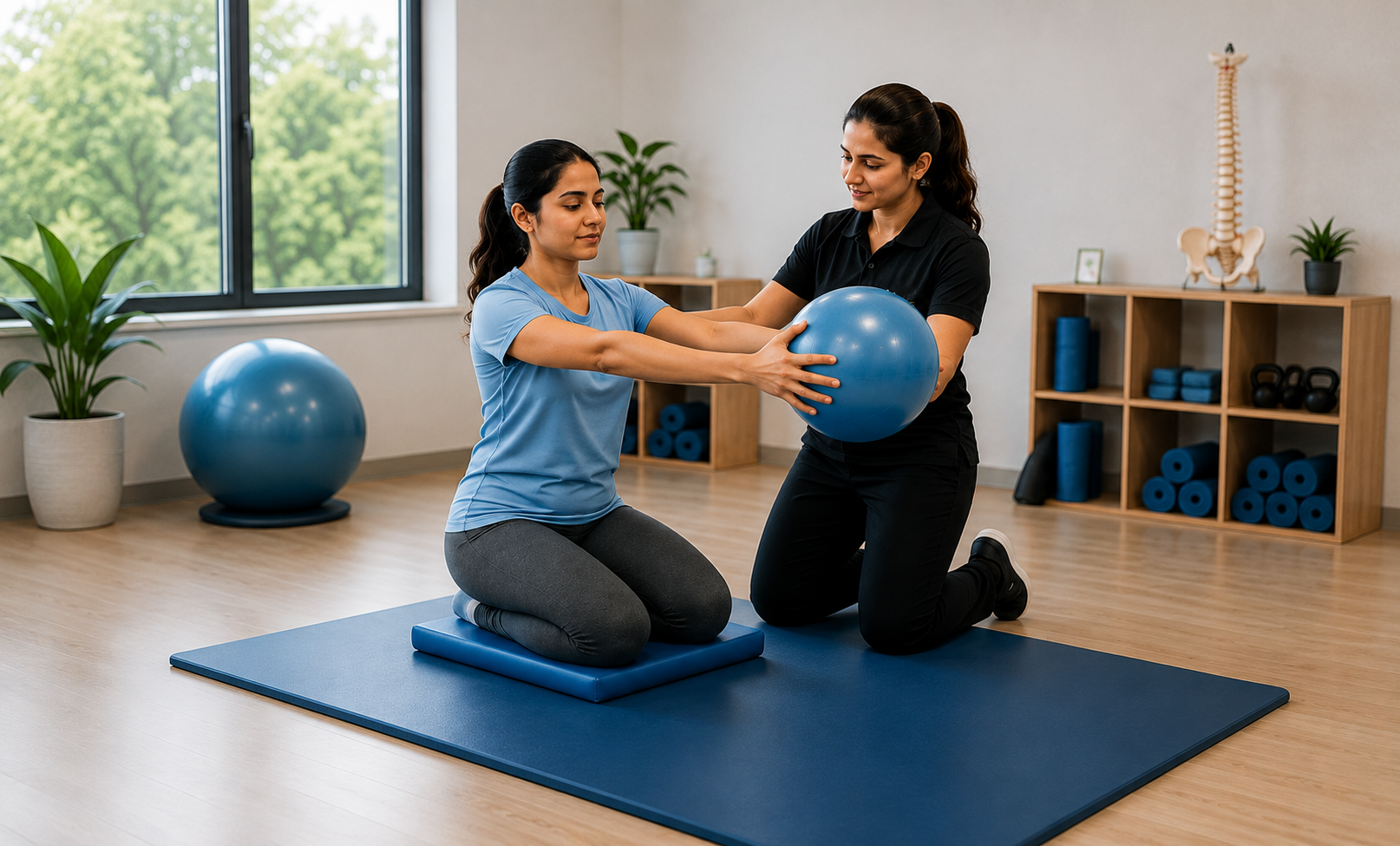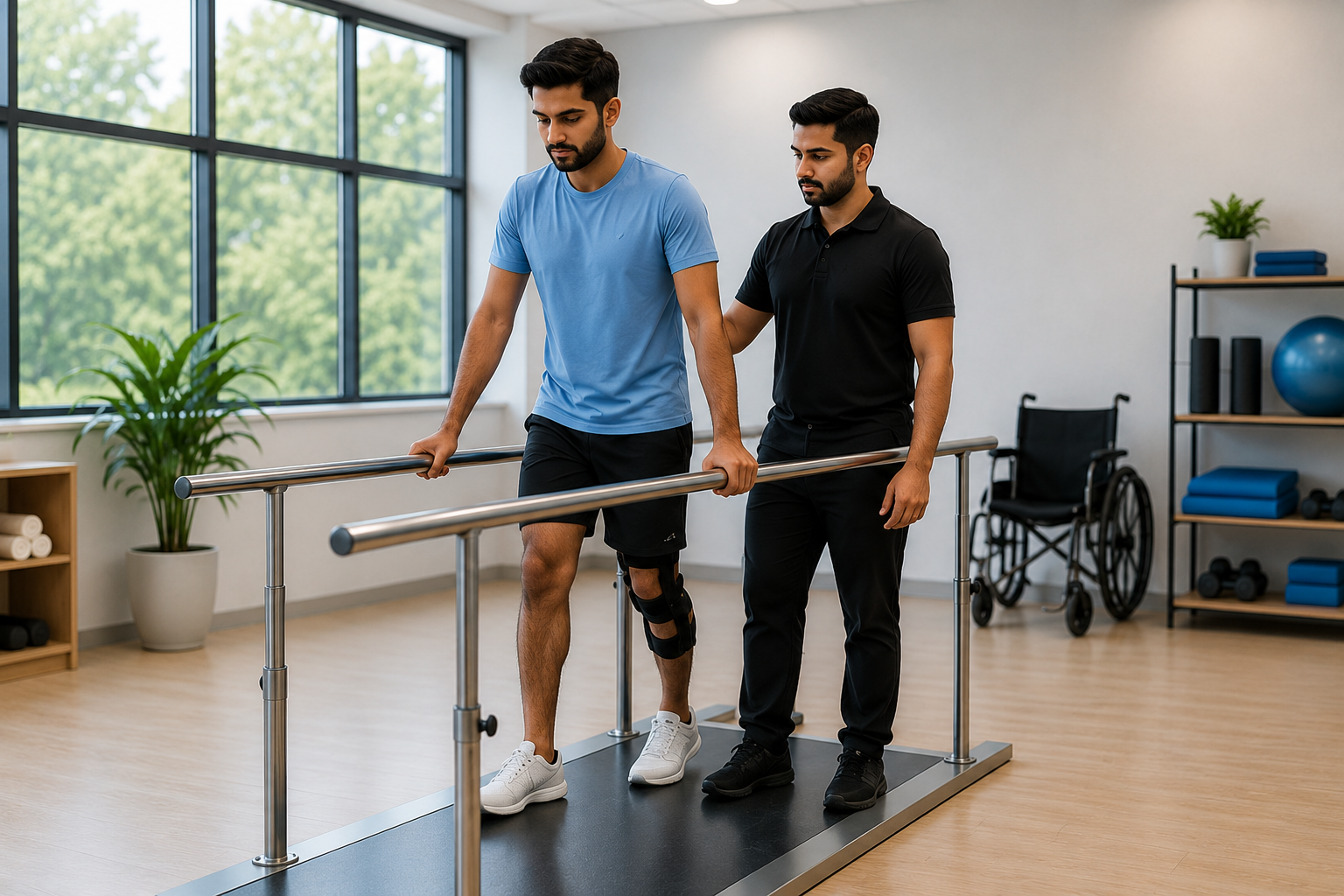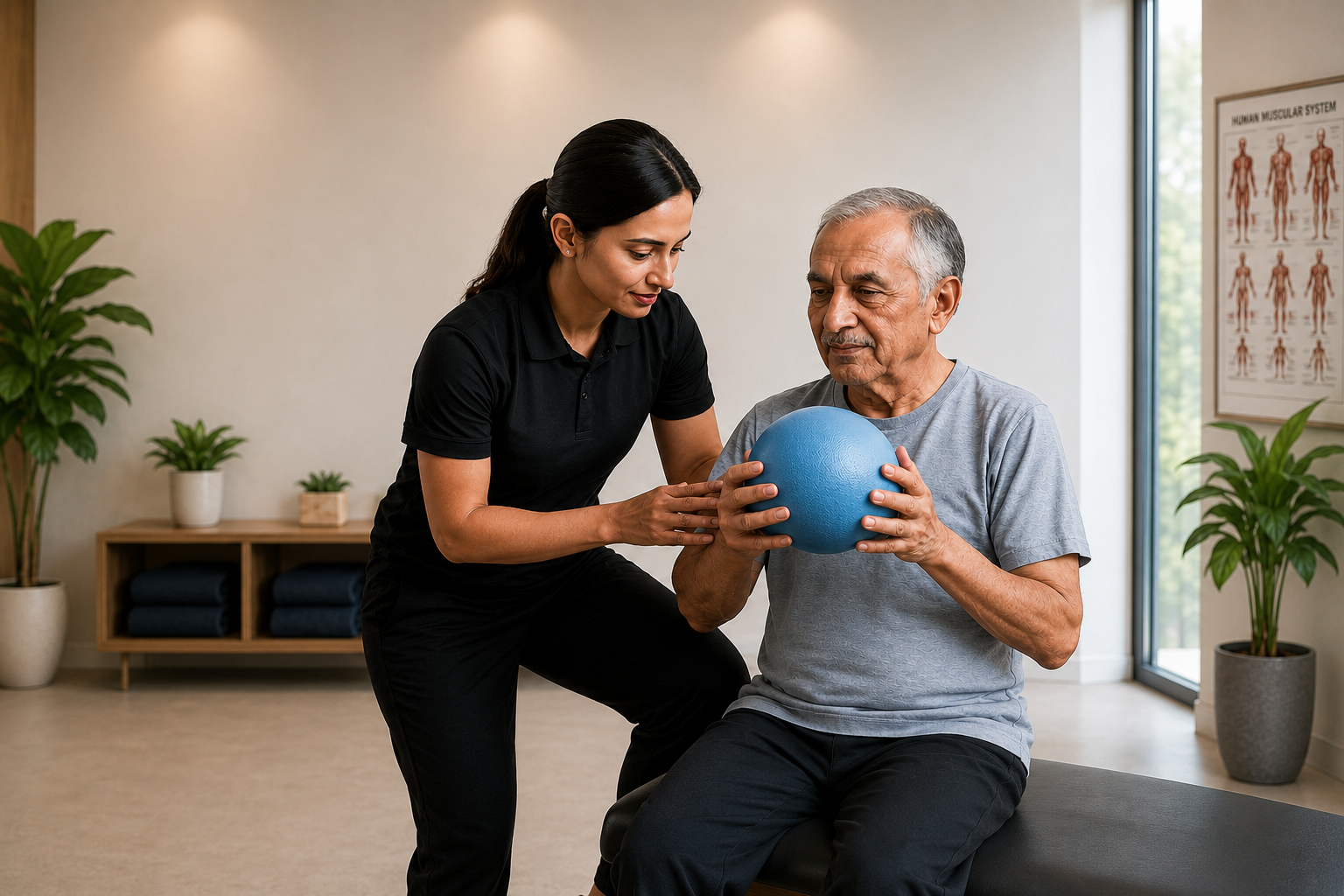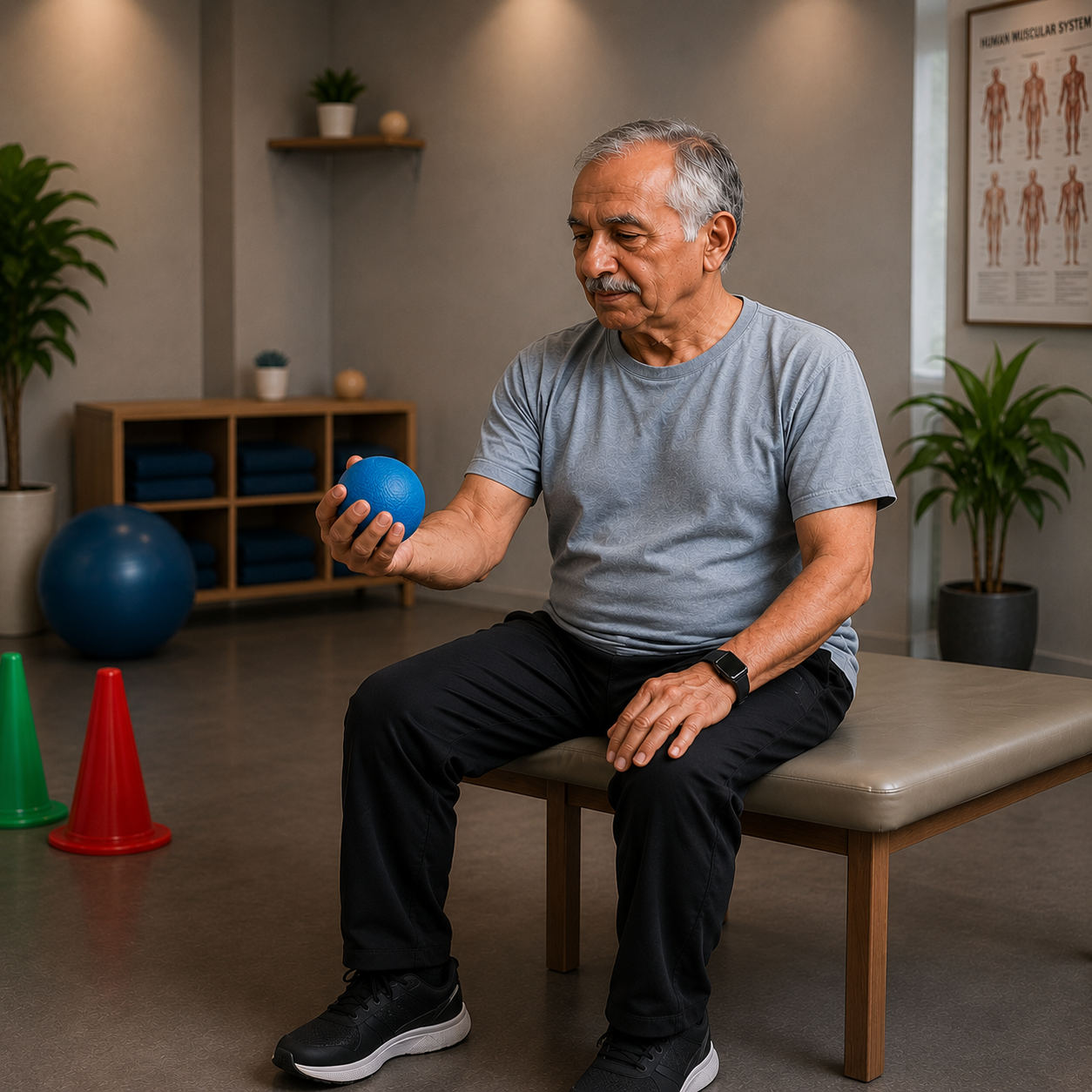
Our neurological rehabilitation programs are designed to restore movement, improve balance and enhance independence helping you regain control and live a better quality life.
About Neurological Rehabilitation
Neurological conditions can affect movement, coordination and daily life. Our expert physiotherapists provide personalized rehabilitation programs to improve mobility, restore function and help patients regain independence.

Stroke Rehabilitation
Focused on recovery of movement, speech and coordination using neuroplasticity principles.

Parkinson’s Disease
Exercises to enhance balance, reduce tremors and improve gait and coordination.

Guillain-Barré Syndrome
Phased strengthening and sensory retraining to recover from peripheral nerve inflammation.

Peripheral Neuropathy
Managing nerve pain and improving sensory feedback to prevent falls and improve mobility.

Polio Rehabilitation
Functional training and energy conservation strategies for post-polio syndrome management.
.png)
Cerebral Palsy (CP)
Optimizing motor patterns, managing muscle tone and improving functional independence.

Mixed Movement Disorder
Specialized therapy for complex involuntary movements and neuromuscular control.

Muscular Dystrophy
Maintenance programs to preserve muscle length, prevent contractures and aid mobility.

Head Injury Rehab
Comprehensive cognitive and physical retraining following traumatic brain injuries.

Spinal Cord Injury
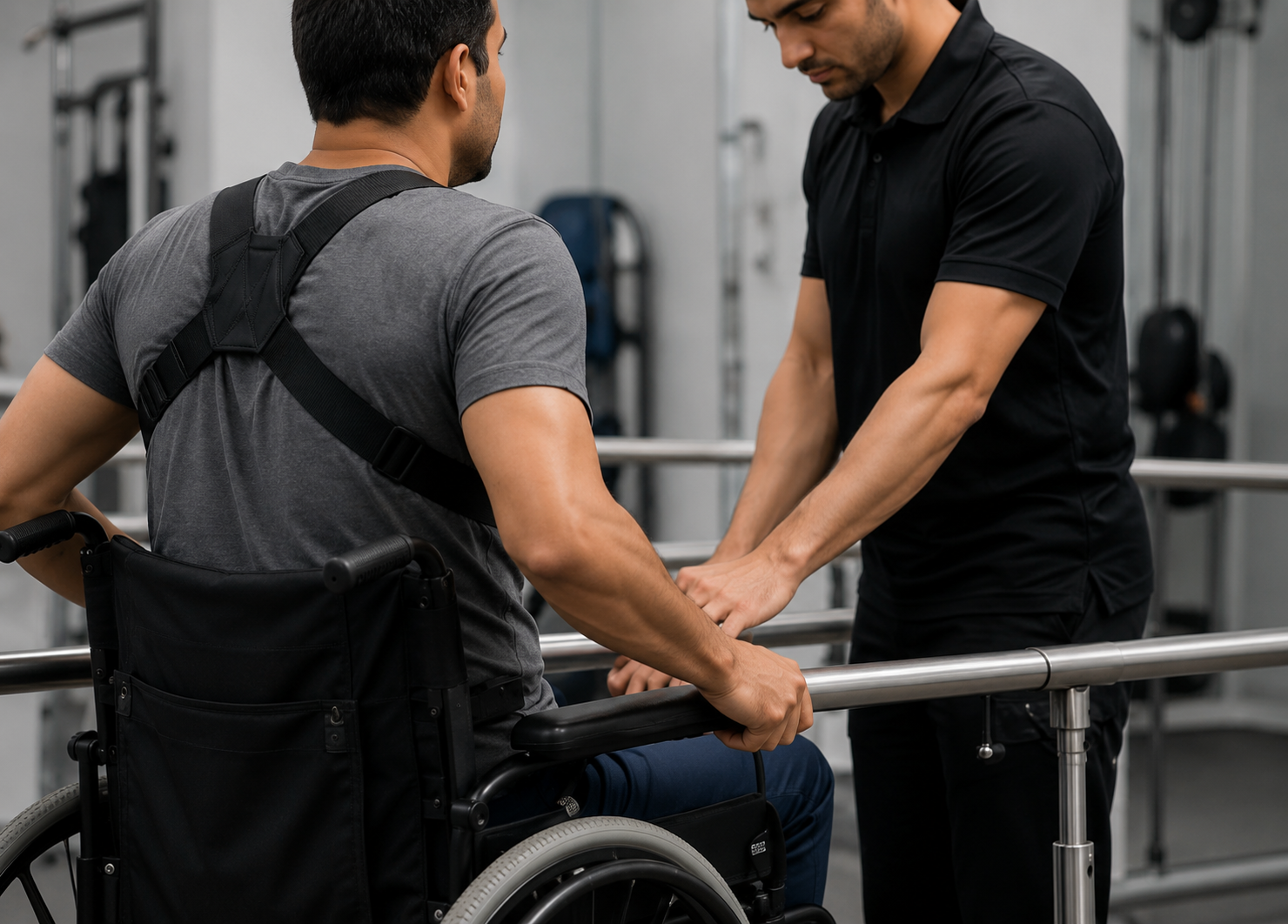
Improving core stability, wheelchair skills and maximizing functional independence.

Myelitis
Recovery protocols for spinal cord inflammation to restore motor and sensory function.

Meningitis
Rehabilitation to address secondary neurological symptoms following infection.

Bell’s Palsy
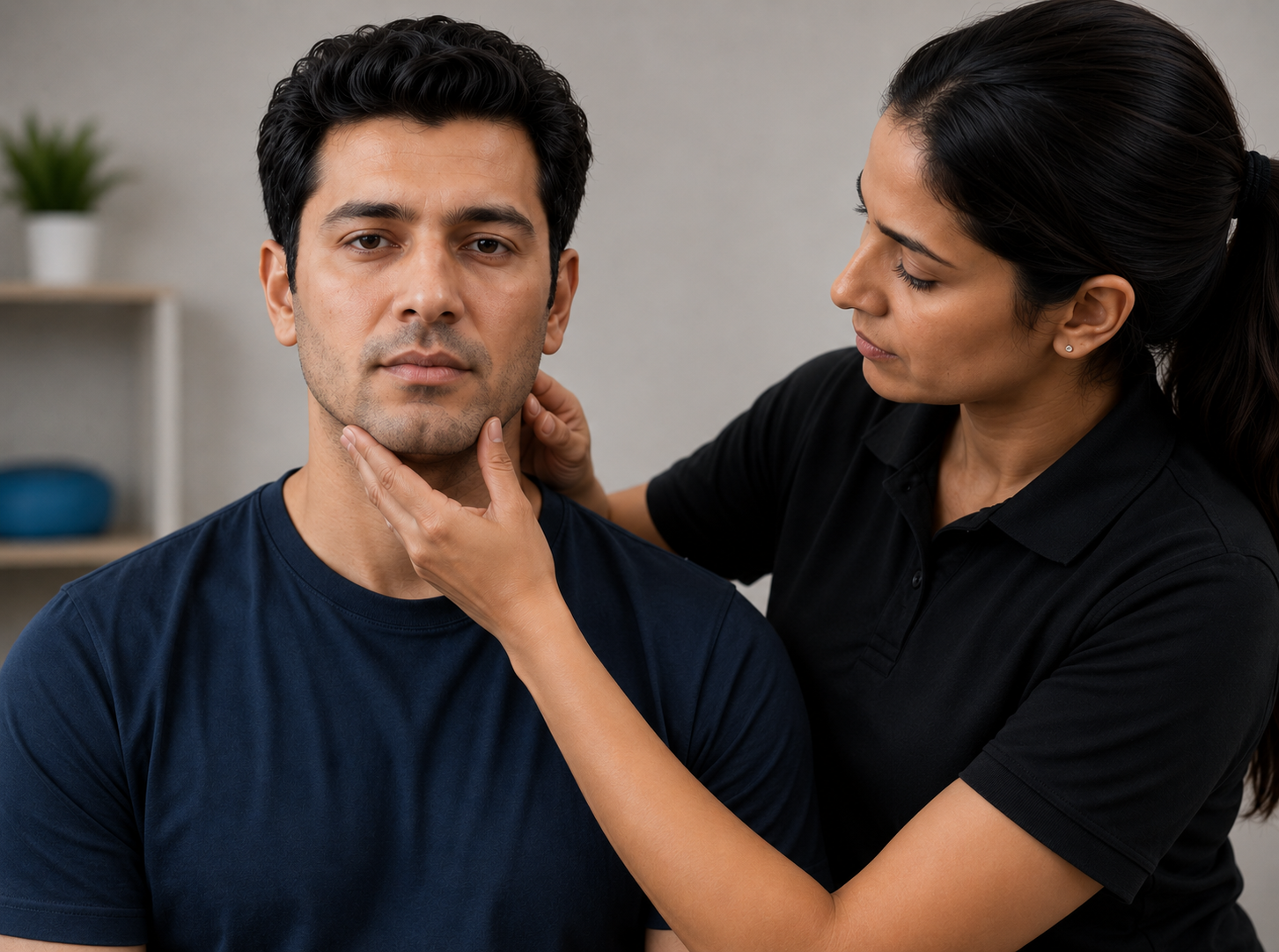
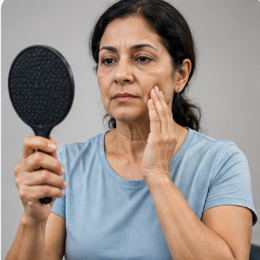
Facial nerve stimulation and muscle retraining to restore facial symmetry.

Facial Palsy
Long-term neuromuscular retraining for chronic facial nerve dysfunction.

Multiple Sclerosis
Fatigue management and exercises to preserve mobility and muscle strength.

Vestibular Rehab
Targeted maneuvers and balance training to resolve vertigo and dizziness.

Balance & Coordination
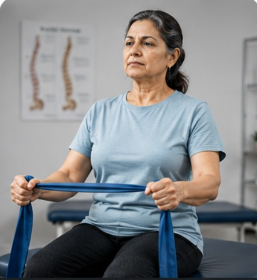
Proprioceptive training to improve posture, stability and body control.
Evidence-based neurological rehabilitation techniques designed to restore movement, improve balance and enhance overall function.
Specialized exercises to retrain brain-body coordination.
Improve walking patterns, balance and stability.
Enhances brain–muscle connection to improve movement and control.
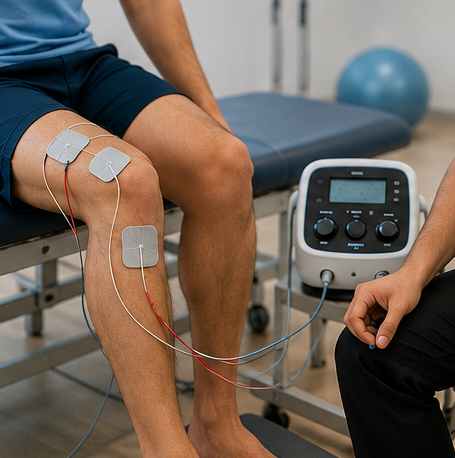
Uses electrical impulses to activate nerves and restore muscle function.
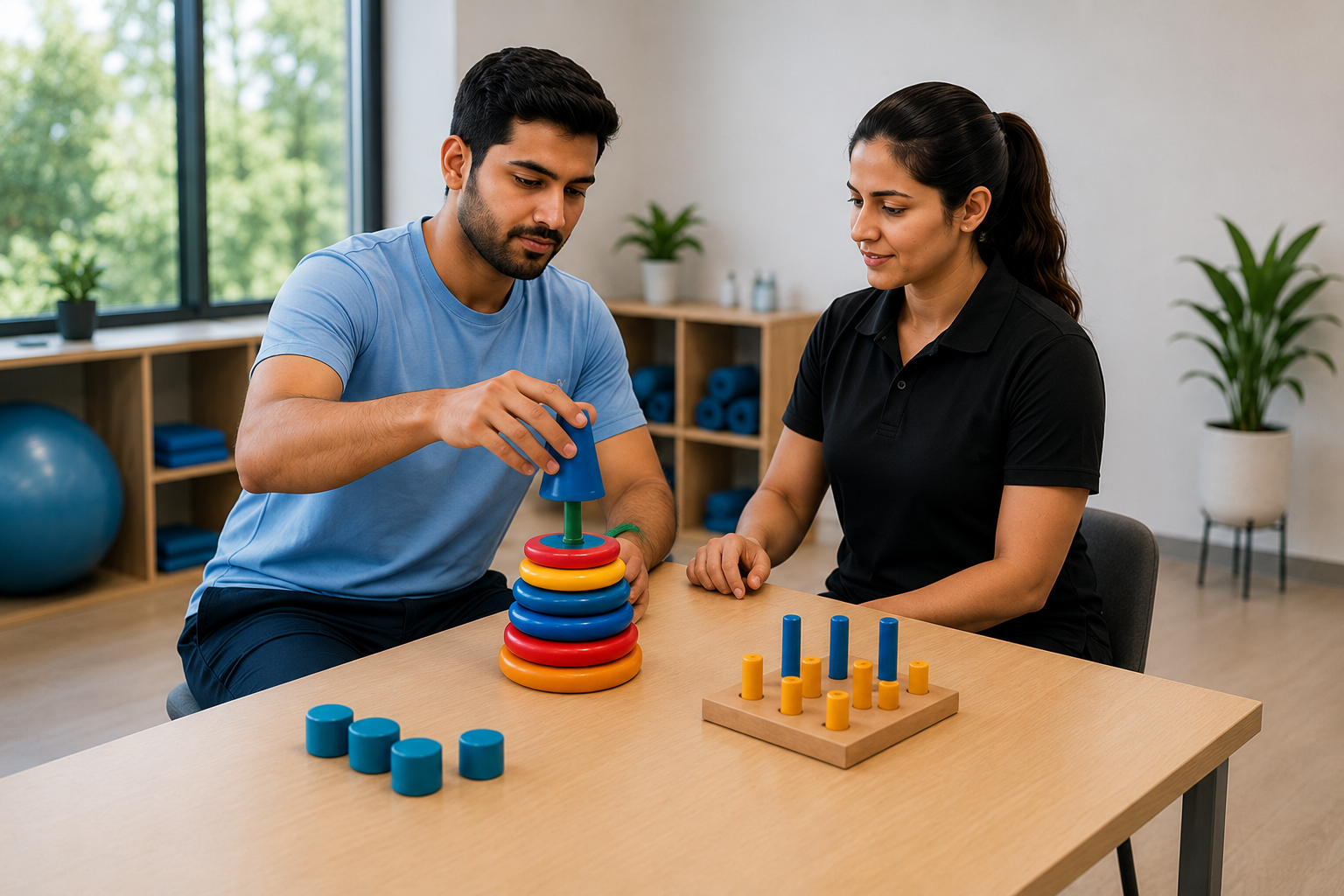
Practice of real-life activities to improve independence and performance.
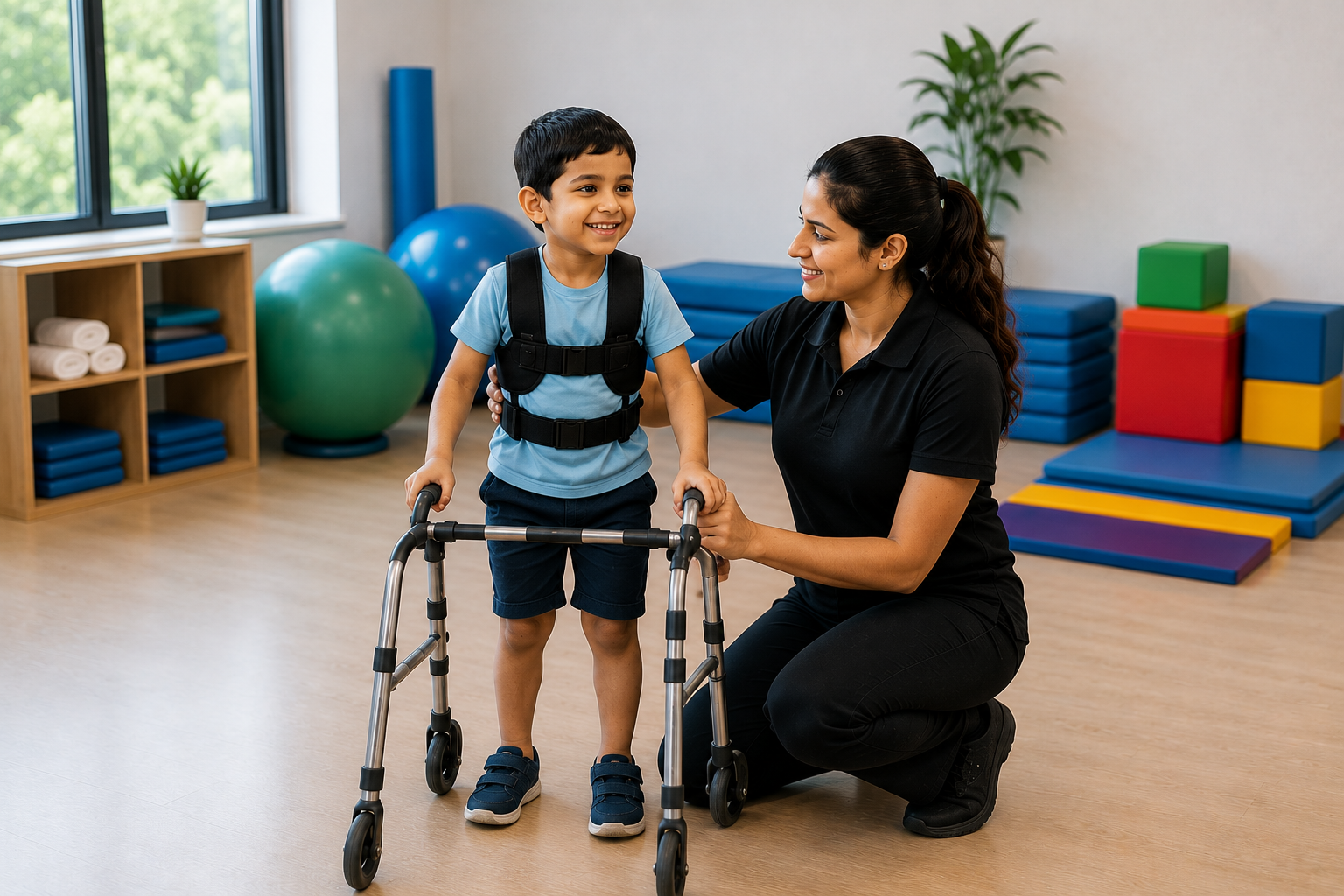
Specialized therapy to improve mobility, posture and motor skills.
Comprehensive evaluation of brain, nerve and movement functions.
Customized therapy plan based on condition and recovery goals.
Restore coordination, balance and controlled movement patterns.
Improve muscle strength, motor control and functional ability.
Prevent complications and promote independence in daily life.
Regain movement and independence in daily activities.
Enhance coordination, memory and neural response.
Better balance and smoother body movements.
Perform daily tasks with confidence and ease.
Improved mental and physical well-being.
Consistent progress with sustainable results.
Neurological rehab helps with stroke, paralysis, Parkinson’s disease, spinal cord injuries and other nerve-related conditions.
Recovery time varies depending on the condition and severity. Some patients improve within weeks, while others require long-term therapy.
While full recovery may not always be possible, rehabilitation significantly improves function, independence and quality of life.
Treatments include balance training, gait training, neuro exercises, electrotherapy and functional movement training.
Yes, home exercises are essential to improve recovery speed and maintain progress between therapy sessions.